

The Enduring Value of Typewriter Ribbons in Modern Offices: An Industry Perspective
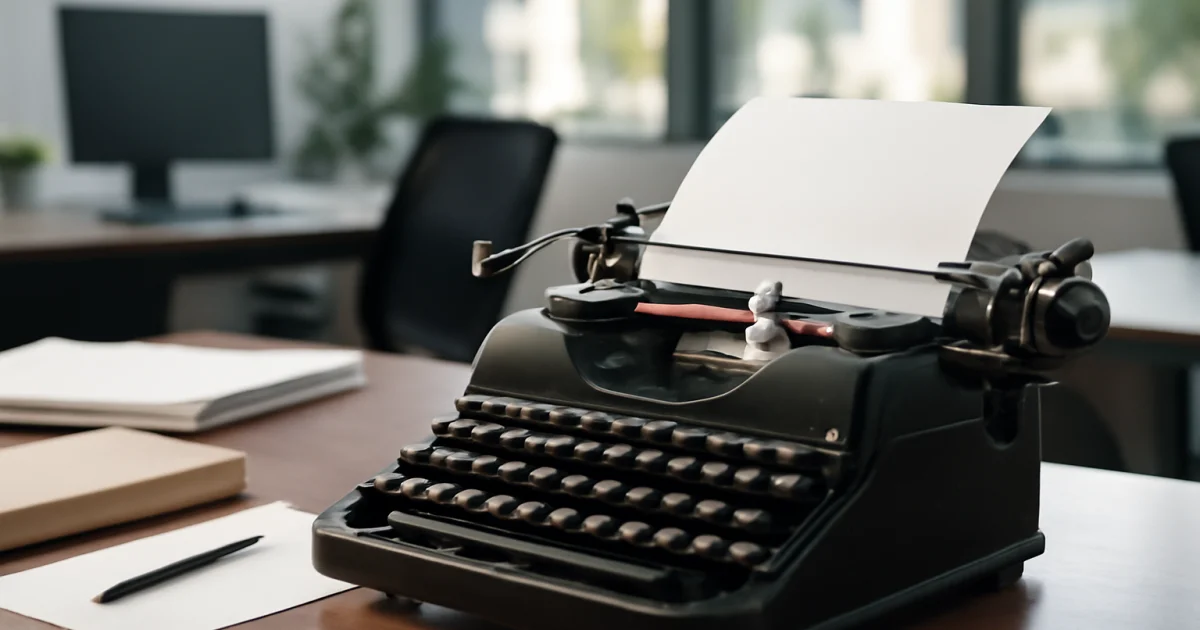
In an era dominated by digital communication and cloud-based workflows, the presence of typewriters in modern offices may seem surprising to some. Yet, for many organisations, legacy equipment like typewriters remains indispensable for specific administrative, legal, and financial processes. At the heart of this continued functionality lies the humble typewriter ribbon, a consumable that—despite decades of technological progress—retains a critical role. This article examines the enduring value of typewriter ribbons in contemporary workplaces, offering an industry perspective on why they matter, who relies on them, and how to source quality supplies for evolving business needs.
The Unseen Backbone: Why Typewriter Ribbons Still Matter
Typewriter ribbons may appear to be relics of a bygone era, but their significance is quietly sustained by the needs of thousands of offices, banks, legal departments, and institutions worldwide. For many businesses, typewriters offer unmatched reliability for producing secure, tamper-evident documents, forms, and cheques. Unlike digital printers, typewriters and their ribbons create physical impressions on paper, which can be crucial for official records and legal compliance.
In financial organisations, for example, Magnetic Ink Character Recognition (MICR) ribbons are vital for cheque processing and document authentication. Government agencies, schools, and law firms often maintain typewriters for filling out pre-printed forms or creating carbon copies. The continued use of typewriter ribbons is not merely about nostalgia; it is about function, security, and workflow continuity.
Understanding Typewriter Ribbons: Function, Formats, and Compatibility
For readers new to the subject, a typewriter ribbon is a long, ink-saturated strip—usually made from nylon, silk, or polyester—wound onto spools or cartridges. As a typewriter key strikes, it presses the ribbon against the paper, transferring ink and producing a character. Ribbons are available in various colours (commonly black or black/red) and spool sizes, and must be compatible with the machine model in use.
Offices still using typewriters face the challenge of sourcing compatible ribbons, especially as some models are decades old. Fortunately, manufacturers such as Omnimetric Technologies continue to produce a wide range of compatible ribbons—spool ribbon, twin spool, MICR, and correction ribbons—to fit established typewriter brands and models. This ensures that even legacy equipment remains serviceable and productive.
For those looking for more details on ribbon varieties, Typewriter Ribbons provides an overview of available options and compatibility guides.
Industry Use Cases: Who Still Needs Typewriter Ribbons Today?
Despite the prevalence of digital documentation, multiple sectors remain reliant on typewriter ribbons. Office equipment dealers, institutional buyers, and corporate procurement managers often encounter the following scenarios:
- Financial and Banking Institutions: Rely on MICR ribbons for secure cheque processing and document validation.
- Legal and Government Departments: Maintain typewriters for completing official forms and legal documents where handwritten or printed entries are not permitted.
- Educational Institutions: Use typewriters for administrative records, exam paper preparation, and archival purposes.
- Warehouses and Logistics: Employ impact printers and spool ribbons for labelling and documentation that require multiple carbon copies.
In each case, the typewriter ribbon is not just a consumable—it is an enabler of compliance, efficiency, and operational continuity.
Practical Considerations: Sourcing, Quality, and Maintenance
Reliable access to typewriter ribbons is a top priority for organisations dependent on legacy equipment. Procurement managers must consider several factors:
- Compatibility: Ensure ribbons match the exact model and type—single or twin spool, cartridge, MICR, or correction ribbons.
- Quality Assurance: Choose ribbons from ISO-certified manufacturers, like Omnimetric Technologies, known for comprehensive quality control and 100% inspection before shipment.
- Bulk Supply and OEM Options: For large offices or institutional buyers, bulk purchasing and private label manufacturing can secure consistent supply and cost advantages.
- Maintenance: Store ribbons in dry, cool environments and replace them regularly to ensure crisp, legible output and avoid machine wear.
For offices looking to extend the lifespan of their typewriters, sourcing high-quality ribbons is as crucial as machine maintenance itself. Those interested in related supplies can also explore Lift Off Tapes for correction needs or Refill Pancakes for economical replacements.
Typewriter Ribbons Versus Modern Printing Consumables
The landscape of office consumables has evolved, with thermal transfer ribbons and printer ribbons now serving barcode, POS, and industrial printing needs. However, the enduring presence of typewriter ribbons highlights a unique intersection between tradition and modern requirements. In settings where document authenticity, carbon copy creation, or specialised forms are priorities, impact printing technology remains irreplaceable.
For example, thermal transfer ribbons—widely used for barcode and product labelling—offer durability and clarity for industrial applications. Yet, only a typewriter ribbon can deliver the tactile, direct imprint needed for certain legal and financial documents. This distinction ensures that typewriter consumables retain a place alongside the latest printing technologies, rather than being replaced by them entirely.
To further explore how other consumables complement office workflows, readers may find Typewriters Still Used in Offices, Schools & Collecting Communities a useful resource.
Conclusion: Legacy Value, Modern Standards
From an industry perspective, the continued relevance of typewriter ribbons is a testament to the longevity of well-designed office equipment and the specific needs of professional environments. While digital solutions dominate most workflows, the typewriter ribbon persists as an essential consumable for certain tasks that demand reliability, security, and tactile documentation.
For procurement teams, office equipment dealers, and businesses with legacy systems, understanding the options for sourcing high-quality ribbons is vital for operational efficiency. With manufacturers like Omnimetric Technologies providing extensive compatibility, quality assurance, and bulk supply solutions, the supply chain for typewriter ribbons remains robust and adaptable—even in the digital age.
Ultimately, the story of the typewriter ribbon is one of adaptation and enduring value. It serves as a reminder that, in a world of rapid change, some tools continue to earn their place through reliability, functionality, and the ability to meet unique business requirements.
Frequently Asked Questions
What is a typewriter ribbon and how does it work?
A typewriter ribbon is an inked fabric strip, typically made from nylon, silk, or polyester, wound onto spools or cartridges. As you type, the typewriter’s keys strike the ribbon against the paper, transferring ink and creating characters. The ribbon advances automatically with each keystroke to use fresh ink for every impression.
Why do some offices still use typewriter ribbons today?
Offices use typewriter ribbons because certain processes—such as cheque printing, legal documentation, and filling out carbon-copy forms—require the physical impact and security that only typewriters offer. Typewriter ribbons provide tamper-evident, permanent documentation that’s difficult to replicate with digital printers.
How do you choose the right typewriter ribbon for your machine?
To choose the right ribbon, check your typewriter’s make and model. Match the ribbon format—such as single or twin spool, cartridge, MICR, or correction ribbons—to your device specifications. Purchasing from manufacturers who specialise in compatible ribbons, like Omnimetric Technologies, ensures reliable fit and performance.
Are typewriter ribbons still manufactured, and where can they be sourced?
Yes, typewriter ribbons are still actively manufactured. Companies like Omnimetric Technologies produce a wide range of compatible ribbons for legacy and modern typewriters. They are available through specialist office equipment dealers, online suppliers, and direct from manufacturers offering bulk or OEM options.
What are the differences between typewriter ribbons, spool ribbons, and correction ribbons?
Typewriter ribbons can come in various forms, including spool ribbons (single or twin spools) that fit traditional machines, and correction ribbons designed for error correction. Correction ribbons allow users to mask typing errors, while MICR ribbons are used for cheque and financial document printing. Each type is chosen based on the specific application and machine requirements.
Source Reliable Typewriter Ribbons for Your Office
Keep your legacy equipment running smoothly with compatible, quality-tested typewriter ribbons from Omnimetric Technologies. Whether you need standard, MICR, spool, or correction ribbons, our ISO-certified manufacturing and extensive compatibility catalogue ensure you never face downtime. Explore bulk orders, OEM solutions, and private label options tailored for office equipment dealers, procurement managers, and institutional buyers.