

The Ultimate Guide to Lift Off Tape: Uses, Benefits, and Applications
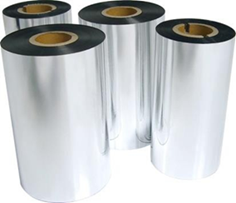
Lift off tape, also known as release tape or peelable tape, is a specialized adhesive that is widely used in various industries due to its unique properties. Designed to firmly adhere to surfaces, lift off tape can be easily removed without leaving any residue behind. This versatility makes it an essential tool across multiple sectors, including electronics manufacturing, painting, medical device assembly, and more.
What is Lift Off Tape?
Lift off tape is a type of pressure-sensitive adhesive tape designed for temporary bonding and clean removal. It is commonly made from materials such as:
- Polyester
- Polyimide
- Paper
Each material offers different performance characteristics, including adhesion strength, temperature resistance, and compatibility with various surfaces.
This flexibility allows lift off tape to be used in a wide range of industrial applications where precision and surface protection are critical.
Types of Lift Off Tape (Material Guide)
Lift off tape is available in different material types, each designed for specific industrial applications.
- Polyester (PET) Lift Off Tape
Polyester-based lift off tape offers good chemical resistance and dimensional stability. It is commonly used in electronics and general industrial masking applications where precision is required. - Polyimide (Kapton) Lift Off Tape
Polyimide lift off tape is designed for high-temperature environments. It is widely used in PCB manufacturing, solder masking, and other electronics processes that involve heat exposure. - Paper-Based Lift Off Tape
Paper lift off tape is a cost-effective option used for light-duty masking applications. It is easy to apply and remove, making it suitable for general surface protection tasks.
Key Benefits of Lift Off Tape
- Precision and Easy Repositioning
Lift off tape features a controlled low-tack adhesive, allowing users to reposition it without damaging surfaces. This is especially useful in high-precision industries such as electronics and medical device assembly. - Surface Protection
It provides reliable protection against scratches, abrasion, and contamination during manufacturing, handling, and transportation processes. - Clean, Residue-Free Removal
One of its most important advantages is that it removes cleanly without leaving adhesive residue, ensuring surfaces remain clean and ready for further processing or finishing.
Applications of Lift Off Tape
Lift off tape is incredibly versatile and finds use in many industries:
- Electronics Manufacturing: It’s used for masking delicate areas on circuit boards during soldering and assembly, protecting sensitive components from heat and flux.
- Painting and Surface Protection: In painting, it acts as a temporary barrier, protecting surfaces from paint overspray and ensuring clean lines.
- Medical Device Assembly: It is also commonly used in the medical field for precise masking of components during the manufacturing process.
- Automotive: Lift off tape is applied to various parts during production, protecting surfaces during handling and assembly.
Choosing the Right Lift Off Tape
Selecting the right lift off tape depends on several factors, such as:
- Adhesion Strength: Some applications may require stronger adhesion, while others need a gentler grip to avoid damaging sensitive surfaces.
- Temperature Resistance: Consider the environment where the tape will be used—whether it will be exposed to high or low temperatures during the process.
- Material Compatibility: Ensure that the tape is compatible with the materials you’re working with, such as metal, plastic, or glass.
By choosing the correct tape based on these factors, businesses can optimize their production processes and ensure better results.
How to Apply Lift Off Tape
For lift off tape to work effectively, proper surface preparation is key:
- Clean the Surface: Ensure that the surface is clean, dry, and free of dust or debris before applying the tape. This will help the tape adhere properly and prevent any lifting or residue.
- Apply Even Pressure: Press the tape firmly onto the surface to ensure a secure bond. Pay attention to curves or irregular surfaces, as the tape needs to conform to these areas.
- Removal: When removing the tape, do so at a consistent angle to minimize the risk of tearing or leaving behind residue.
Storing Lift Off Tape
To maintain the quality and performance of lift off tape, it’s essential to store it properly:
- Keep tapes in a cool, dry place, away from direct sunlight, heat, or humidity. Exposure to moisture can impact the adhesive’s effectiveness.
- Avoid exposing the tape to extreme temperatures, which can cause it to lose its adhesive properties.
- Follow the manufacturer’s storage recommendations, including any guidance on shelf life.
Cost Considerations
While lift off tape might have a higher initial cost compared to alternative methods, the long-term benefits often outweigh the expense. By reducing the need for cleaning and rework, lift off tape can lead to significant time and cost savings. Furthermore, automated dispensing systems are improving the efficiency of tape applications, making it a more cost-effective solution for businesses in the long run.
Common Misconceptions About Lift Off Tape
There are a few misconceptions about lift off tape that need clarification:
- Adhesion Strength: Some people believe that lift off tape does not adhere well enough. In reality, modern lift off tapes are designed to provide strong adhesion while still allowing for residue-free removal.
- Residue Issues: Another common myth is that lift off tape leaves behind residue. However, high-quality tapes are specifically designed to avoid this problem, ensuring clean removal every time.
Lift Off Tape vs Regular Masking Tape
While both tapes are used for masking purposes, they serve different applications and performance requirements.
| Feature | Lift Off Tape | Regular Masking Tape |
|---|---|---|
| Adhesion | Low-tack, controlled adhesion | Medium to high adhesion |
| Removal | Clean, residue-free removal | May leave adhesive residue |
| Precision | High precision applications | General-purpose use |
| Heat Resistance | Available in high-temp variants | Limited resistance |
| Applications | Electronics, medical, industrial | Painting, household use |
Lift off tape is preferred for applications requiring precision, cleanliness, and material protection.
Safety Precautions
As with any adhesive product, safety is important when using lift off tape. Always follow the manufacturer’s guidelines, especially when handling it in industrial environments. Ensure proper ventilation during use to minimise exposure to fumes or vapours, particularly in high-temperature applications such as electronics or solder masking.
Store lift off tape in a cool, dry place away from direct sunlight, heat, and humidity to maintain its adhesive quality and performance. Avoid improper handling or exposure to extreme conditions to ensure safe and effective use.
Why Choose Omnimetric
Omnimetric is a trusted supplier of industrial adhesive and printing consumables, providing reliable solutions for precision-driven industries. We focus on delivering consistent quality, technical reliability, and products that meet the demands of modern manufacturing environments.
- Trusted supplier of industrial adhesive and printing consumables
- Strong manufacturing capabilities with strict quality control
- Consistent product performance across all batches
- Wide range of lift off tape options for different applications
- Suitable for electronics, automotive, and industrial use
- Focus on quality, reliability, and technical support
- Committed to long-term customer satisfaction and partnership
Get the Right Lift Off Tape for Your Application
Looking for reliable lift off tape for precision masking and clean removal?
Omnimetric offers high-quality polyester, polyimide, and paper-based lift off tapes designed for electronics, automotive, and industrial applications.
Conclusion
In summary, lift off tape is an essential tool for many industries, offering a unique combination of precision, surface protection, and residue-free removal. Whether in electronics manufacturing, painting, or medical device assembly, its versatility makes it a go-to solution for protecting delicate surfaces and ensuring high-quality results. By understanding the various types and applications, businesses can select the right tape for their needs and optimize their production processes for efficiency and cost savings.
For more information and to find the best lift off tape for your needs, visit Omnimetric’s Lift Off Tape Collection.
Frequently Asked Questions (FAQs)
What is lift off tape used for?
Lift off tape is used for temporary masking and surface protection in industries like electronics, automotive, medical device manufacturing, and painting. It helps protect areas during production and removes cleanly after use.
Does lift off tape leave any residue after removal?
No. High-quality lift off tape is designed to remove cleanly without leaving adhesive residue, making it ideal for precision applications and sensitive surfaces.
What is the difference between lift off tape and masking tape?
Lift off tape is designed for precision applications with clean, residue-free removal, while regular masking tape is used for general-purpose painting and may leave adhesive residue.
Can lift off tape withstand high temperatures?
Yes, certain types like polyimide lift off tape are designed for high-temperature environments such as PCB soldering and electronic manufacturing processes.
How do I choose the right lift off tape?
You should consider adhesion strength, temperature resistance, and material compatibility. Different applications require different tape types such as polyester, polyimide, or paper-based lift off tape.