

The Importance of Choosing the Right Barcode Ribbon Manufacturer
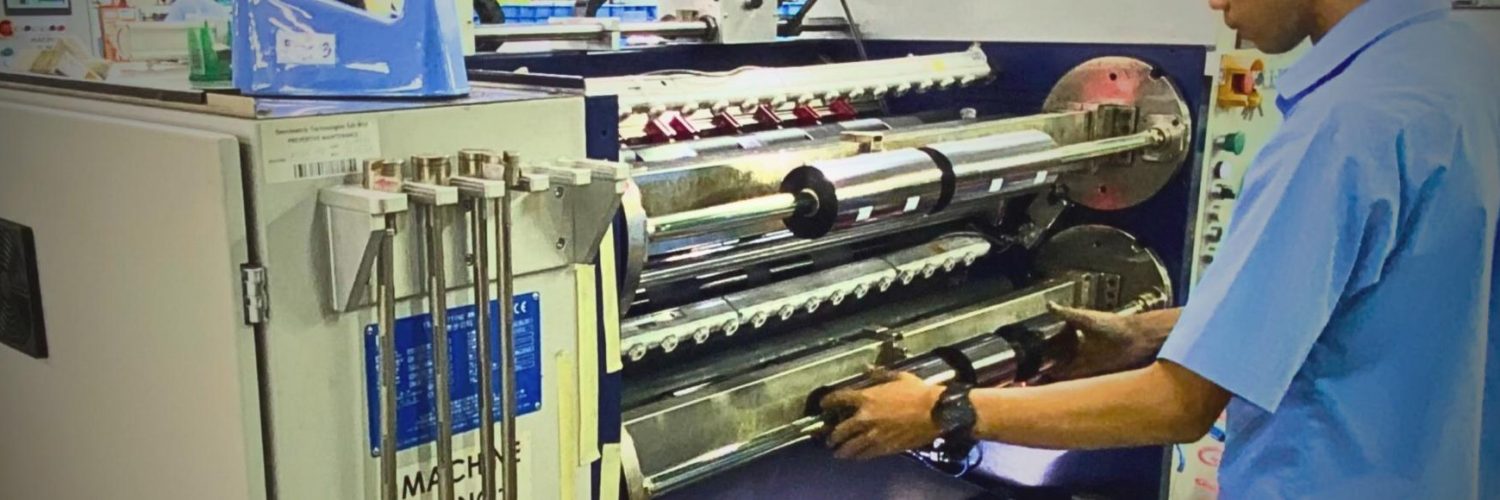
In the world of barcode printing, the barcode ribbon manufacturer you choose plays a critical role. Barcode ribbons are the essential ink or toner for thermal transfer and direct thermal printers. Typically made of polyester film coated with wax, resin, or a combination of both, these ribbons ensure high-quality, durable label printing.
Types of Barcode Ribbons Explained
Understanding the different types of barcode ribbons is essential when choosing the right solution for your application. Each type offers varying levels of durability, print quality, and resistance.
Wax Ribbons
Wax ribbons are the most cost-effective option and are ideal for printing on paper labels. They provide good print quality for general-purpose applications but offer limited resistance to heat, chemicals, and abrasion.
Wax-Resin Ribbons
Wax-resin ribbons combine the affordability of wax with the durability of resin. They are suitable for both paper and some synthetic materials, offering improved resistance to smudging and scratching.
Resin Ribbons
Resin ribbons are designed for the most demanding environments. They provide excellent resistance to chemicals, heat, moisture, and abrasion, making them ideal for synthetic labels and long-term applications.
Why Quality Matters in Barcode Ribbons
Choosing the right ribbon is essential because it directly influences the effectiveness and longevity of your labels. Here’s why:
- Durability: High-quality ribbons resist smudging, scratching, and fading, ensuring that barcodes stay legible throughout the life of the label.
- Print Clarity: The quality of the print matters. A low-quality ribbon can lead to blurred or distorted barcodes, making it difficult for scanners to read them. This can result in scanning errors and operational inefficiencies.
- Compatibility: It’s essential that the ribbon you use is compatible with your printer and label materials. Using a ribbon that matches your system will optimize printer performance and reduce the risk of downtime.
Factors to Consider When Choosing a Ribbon Manufacturer
When selecting a barcode ribbon manufacturer, several factors can help you make the best choice:
- Reputation and Experience: Manufacturers with a proven track record are more likely to provide high-quality, reliable ribbons. Their experience ensures consistent performance, which is critical to maintaining smooth operations.
- Material Quality: The durability and clarity of your barcodes depend on the materials used in the ribbon’s production. Premium polyester films and wax or resin coatings improve both print quality and resistance to wear and tear.
- Customization Options: Different businesses have unique needs. A good manufacturer will offer customization options, allowing you to choose the right ribbon for your specific requirements.
- Customer Support: Even with the best products, technical issues can arise. Look for a manufacturer that offers strong customer support to ensure you get help quickly when needed, minimizing disruptions in your operations.
Barcode Ribbon Comparison Guide
| Ribbon Type | Best For | Durability | Cost |
|---|---|---|---|
| Wax | Paper labels | Low | Low |
| Wax-Resin | Mixed materials | Medium | Medium |
| Resin | Synthetic labels | High | High |
Industries That Rely on Barcode Ribbon Manufacturers
Barcode ribbons are used across a wide range of industries where accurate identification and tracking are critical.
- Logistics & Warehousing – shipping labels, inventory tracking
- Manufacturing – product identification, traceability labels
- Retail – price tags, shelf labels, stock management
- Healthcare – specimen labelling, compliance tracking
- Electronics – durable asset tags and component labels
Each industry requires specific ribbon types depending on environmental exposure and durability needs.
Why Omnimetric Technologies Stands Out
At Omnimetric Technologies Sdn Bhd, we are committed to providing high-quality printing solutions for a range of industries. With years of experience, we offer a variety of barcode ribbons—from standard wax to high-performance resin ribbons ensuring reliable and high-resolution prints.
We focus on customer satisfaction and offer comprehensive technical support to ensure seamless operations. Our commitment to quality and reliability has earned us a loyal customer base, and we continue to innovate to meet the ever-evolving needs of the industry.
Find the Right Barcode Ribbon Manufacturer
Omnimetric offers high-quality wax, wax-resin, and resin ribbons for consistent performance.
Conclusion
Selecting the right barcode ribbon manufacturer is essential for achieving the best results in your barcode printing. Consider factors such as material quality, reputation, customization, and technical support when making your choice. At Omnimetric Technologies, we offer superior ribbons backed by years of expertise and a customer-first approach. Let us help you ensure the success and efficiency of your barcode printing operations.
Frequently Asked Questions (FAQs)
What does a barcode ribbon manufacturer do?
A barcode ribbon manufacturer produces thermal transfer ribbons used in barcode printers, ensuring consistent print quality, durability, and compatibility with different label materials and printer models.
How do I choose the right barcode ribbon for my application?
It depends on your label material and environment. Wax ribbons are best for paper, wax-resin for moderate durability, and resin ribbons for harsh conditions like chemicals, heat, or abrasion.
Are all barcode ribbons compatible with every printer?
No. You need to match the ribbon type, size, and core with your printer model. Using the wrong ribbon can affect print quality and damage the printhead.
How long do barcode ribbons last?
It depends on the ribbon type and usage. Wax ribbons are for short-term use, while resin ribbons offer long-term durability even in demanding environments.
Can barcode ribbons be customised for OEM or bulk orders?
Yes. Many manufacturers offer custom sizes, cores, and leader tape designs to meet specific business or OEM requirements.