

The Ultimate Guide to Lift Off Tape: Uses, Benefits, and Applications
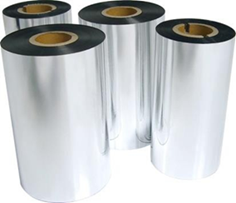
Lift off tape, also known as release tape or peelable tape, is a specialized adhesive that is widely used in various industries due to its unique properties. Designed to firmly adhere to surfaces, lift off tape can be easily removed without leaving any residue behind. This versatility makes it an essential tool across multiple sectors, including electronics manufacturing, painting, medical device assembly, and more.
What is Lift Off Tape?
Lift off tape comes in different types, each tailored for specific applications. The material choices—such as polyester, polyimide, and paper—offer unique benefits depending on the intended use. Some tapes provide high adhesion strength, while others offer better temperature resistance or compatibility with various substrates. The right type of lift off tape can make all the difference in your production process.
Key Benefits of Lift Off Tape
Precision and Repositionability
One of the standout benefits of lift off tape is its low-tack adhesive, which allows for easy repositioning without causing damage. This precision is especially valuable in industries that require exact placement, such as electronics and medical device assembly.
Surface Protection
Lift off tape also provides excellent protection against scratches, abrasions, and other forms of damage during handling or transportation. This is particularly beneficial in the electronics and automotive industries, where component integrity is crucial.
Residue-Free Removal
Unlike some other types of masking tape, lift off tape can be removed cleanly without leaving any residue behind. This ensures that the surfaces you work on remain clean, which is especially important in applications like painting or circuit board masking where a flawless finish is essential.
Applications of Lift Off Tape
Lift off tape is incredibly versatile and finds use in many industries:
- Electronics Manufacturing: It’s used for masking delicate areas on circuit boards during soldering and assembly, protecting sensitive components from heat and flux.
- Painting and Surface Protection: In painting, it acts as a temporary barrier, protecting surfaces from paint overspray and ensuring clean lines.
- Medical Device Assembly: It is also commonly used in the medical field for precise masking of components during the manufacturing process.
- Automotive: Lift off tape is applied to various parts during production, protecting surfaces during handling and assembly.
Choosing the Right Lift Off Tape
Selecting the right lift off tape depends on several factors, such as:
- Adhesion Strength: Some applications may require stronger adhesion, while others need a gentler grip to avoid damaging sensitive surfaces.
- Temperature Resistance: Consider the environment where the tape will be used—whether it will be exposed to high or low temperatures during the process.
- Material Compatibility: Ensure that the tape is compatible with the materials you’re working with, such as metal, plastic, or glass.
By choosing the correct tape based on these factors, businesses can optimize their production processes and ensure better results.
How to Apply Lift Off Tape
For lift off tape to work effectively, proper surface preparation is key:
- Clean the Surface: Ensure that the surface is clean, dry, and free of dust or debris before applying the tape. This will help the tape adhere properly and prevent any lifting or residue.
- Apply Even Pressure: Press the tape firmly onto the surface to ensure a secure bond. Pay attention to curves or irregular surfaces, as the tape needs to conform to these areas.
- Removal: When removing the tape, do so at a consistent angle to minimize the risk of tearing or leaving behind residue.
Storing Lift Off Tape
To maintain the quality and performance of lift off tape, it’s essential to store it properly:
- Keep tapes in a cool, dry place, away from direct sunlight, heat, or humidity. Exposure to moisture can impact the adhesive’s effectiveness.
- Avoid exposing the tape to extreme temperatures, which can cause it to lose its adhesive properties.
- Follow the manufacturer’s storage recommendations, including any guidance on shelf life.
Cost Considerations
While lift off tape might have a higher initial cost compared to alternative methods, the long-term benefits often outweigh the expense. By reducing the need for cleaning and rework, lift off tape can lead to significant time and cost savings. Furthermore, automated dispensing systems are improving the efficiency of tape applications, making it a more cost-effective solution for businesses in the long run.
Common Misconceptions About Lift Off Tape
There are a few misconceptions about lift off tape that need clarification:
- Adhesion Strength: Some people believe that lift off tape does not adhere well enough. In reality, modern lift off tapes are designed to provide strong adhesion while still allowing for residue-free removal.
- Residue Issues: Another common myth is that lift off tape leaves behind residue. However, high-quality tapes are specifically designed to avoid this problem, ensuring clean removal every time.
Safety Precautions
As with any adhesive product, safety is important when using lift off tape. Always follow safety guidelines provided by the manufacturer, especially when handling tapes in industrial environments. Ensure that your work area is well-ventilated to minimize exposure to fumes or vapors, particularly when working with adhesives in high-temperature conditions.
Conclusion
In summary, lift off tape is an essential tool for many industries, offering a unique combination of precision, surface protection, and residue-free removal. Whether in electronics manufacturing, painting, or medical device assembly, its versatility makes it a go-to solution for protecting delicate surfaces and ensuring high-quality results. By understanding the various types and applications, businesses can select the right tape for their needs and optimize their production processes for efficiency and cost savings.
For more information and to find the best lift off tape for your needs, visit Omnimetric’s Lift Off Tape Collection.