

Inside Printer Ribbon Manufacturing: Materials, Technology, and Reliability
Thermal transfer printers rely on the quality of printer ribbons to produce sharp, durable barcodes and labels. However, many users overlook the critical role manufacturing standards, materials, and technology play in ensuring consistent print quality and equipment longevity. Understanding how printer ribbons are made, the technologies involved, and what ensures their reliability can help facilities make informed decisions, reduce maintenance issues, and maintain high operational efficiency.
Materials and Ink Formulations
Printer ribbons consist of a base film coated with a heat-sensitive ink layer. The base film determines flexibility and durability, while the ink formulation affects adhesion, smear resistance, and print longevity. Using inferior materials may lead to:
- Uneven ink transfer
- Residue build-up on printheads
- Increased wear and tear on printer components
High-quality ribbons use consistent, purified inks and stable base films, ensuring smooth ribbon movement and uniform transfer to label media. Facilities that understand the material composition of their ribbons can prevent costly downtime and print inconsistencies.
Advanced Manufacturing Technology
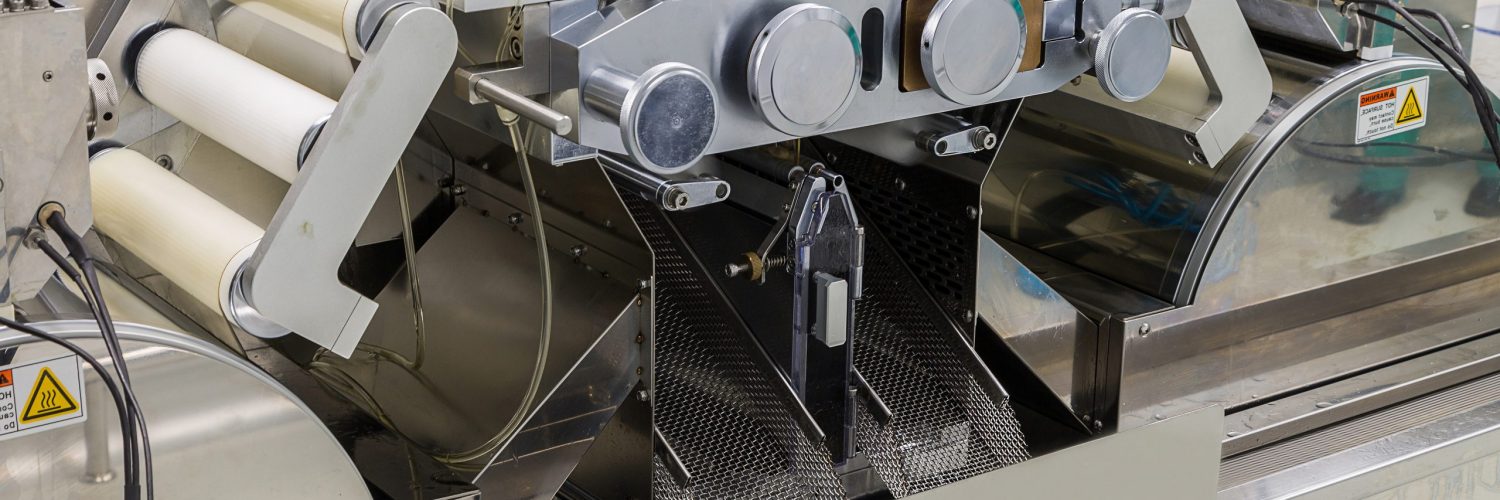
Modern printer ribbon production relies on precise technology to maintain quality across thousands of meters of ribbon. Key manufacturing technologies include:
- Precision coating systems: Ensure uniform ink thickness across the roll.
- Controlled roll winding: Prevents wrinkles, tension issues, and tracking problems.
- Cleanroom environments: Reduce contamination that can damage printheads.
- Automated inspection systems: Detect defects before the ribbon reaches users.
These systems allow manufacturers to deliver ribbons that consistently perform across high-speed, high-volume printing environments.
Quality Control and Reliability
Even minor inconsistencies in ribbon production can impact barcode readability, printhead longevity, and overall printing efficiency. To address this, reliable manufacturers implement comprehensive quality control procedures at every stage. Testing includes assessing ink adhesion and transfer performance on different label stocks to ensure consistent results across applications.
Additionally, manufacturers measure coating uniformity to prevent streaking or fading and monitor roll tension and edge alignment to maintain smooth operation. These practices ensure each ribbon roll meets strict standards for durability, print clarity, and reliability, helping facilities reduce maintenance and maintain uninterrupted, high-quality printing.
Compatibility With Printers and Label Media
Modern printer ribbon production relies on precise technology to maintain quality across thousands of meters of ribbon. Key manufacturing technologies include:
- Precision coating systems: Ensure uniform ink thickness across the roll.
- Controlled roll winding: Prevents wrinkles, tension issues, and tracking problems.
- Cleanroom environments: Reduce contamination that can damage printheads.
- Automated inspection systems: Detect defects before the ribbon reaches users.
These systems allow manufacturers to deliver ribbons that consistently perform across high-speed, high-volume printing environments.
Infrastructure and Production Standards
The physical infrastructure of a ribbon manufacturing facility plays a significant role in quality and reliability. Well-maintained equipment, controlled temperature and humidity, and trained staff contribute to consistent ribbon performance. Facilities with advanced production lines can deliver:
- Long, defect-free ribbon rolls for high-volume printing
- Stable ribbon coatings resistant to smudging or fading
- Reliable performance under various operational conditions
These standards ensure users experience fewer printer errors and longer equipment life.
Conclusion
Printer ribbon quality is just as important as the printer itself. Understanding materials, manufacturing technology, and quality control helps facilities choose ribbons that deliver consistent, durable prints while protecting printer hardware.
For operations seeking reliable, high-performance ribbons, suppliers like Omnimetric provide professional-grade thermal transfer materials engineered for consistent results and long-term printer protection. Selecting trusted printer ribbons manufacturers is a simple, effective way to maintain efficiency and avoid unnecessary maintenance in demanding industrial printing environments.