

Extending Printer Life: How the Right Ribbon Choice Protects Your Equipment
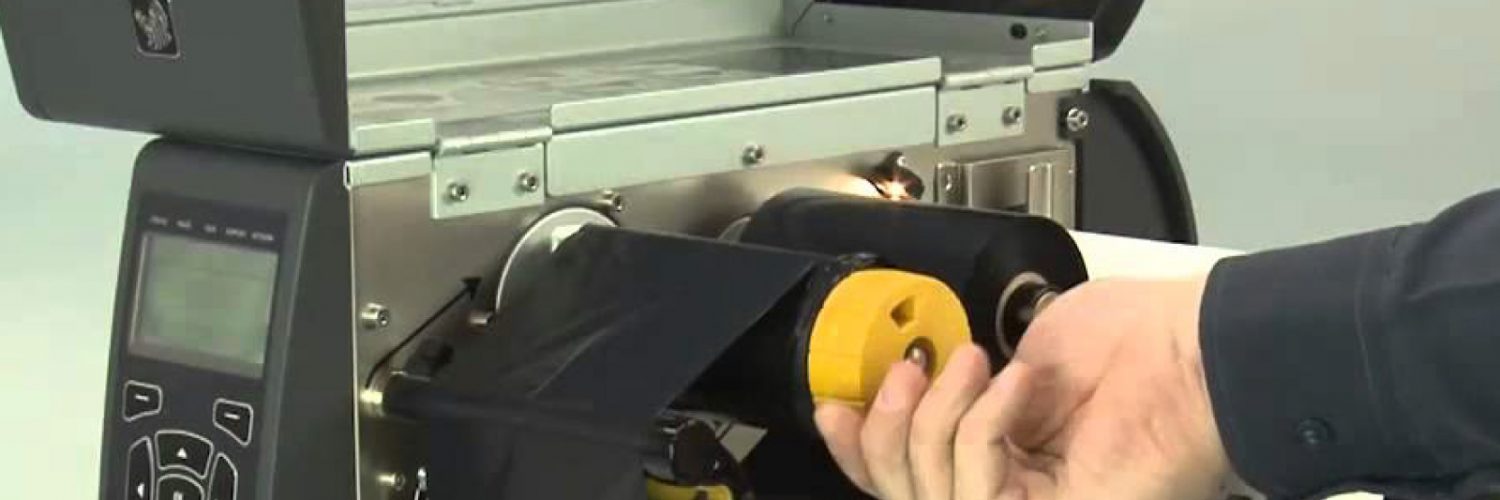
Thermal transfer printers are designed to operate for long production cycles, yet many facilities experience premature printhead failures, inconsistent barcode quality, or rising maintenance costs. In most cases, these issues are not caused by the printer itself but by the barcode ribbon selection. Understanding how different ribbon materials interact with your printer and label stock is critical for protecting equipment and maintaining stable operations.
This article explains how proper ribbon selection directly contributes to longer printer lifespan, lower downtime, and better overall performance.
Why Barcode Ribbon Choice Matters More Than You Think
The ribbon acts as the interface between the printer’s printhead and the label material. During every print cycle, the ribbon is heated, pressed, and transferred to the media. If the ribbon formulation is not suitable, the friction level increases and the printhead must work harder, generating excess heat.
Over time, this results in:
- Micro-scratches on the printhead surface
- Carbon residue build-up
- Uneven heating patterns
- Early printhead burnout
These hidden stresses significantly shorten equipment lifespan and increase maintenance frequency.
Understanding Ribbon Types and Their Impact on Hardware
Different applications require different ribbon materials, and using the wrong type is one of the most common causes of printer damage.
| Ribbon Type | Friction Level | Typical Usage | Risk to Printhead |
| Wax | Low | Paper labels, short-term use | Very low |
| Wax-Resin | Medium | Semi-gloss labels, logistics | Low |
| Resin | High | Synthetic labels, chemical resistance | Medium if not tuned |
Resin ribbons offer high durability, but they require precise temperature control. When resin ribbons are forced onto incompatible media or used at excessive heat levels, the printhead coating degrades rapidly.
Heat Management and Print Settings
Excessive heat is one of the most common causes of premature printhead failure. Thermal printheads rely on precise temperature control, and prolonged exposure to high heat weakens the protective coating on heating elements, resulting in permanent image defects. Instead of maximising temperature to fix poor prints, operators should fine-tune settings to achieve balance.
To protect your equipment:
- Set printers at the lowest effective heat level that achieves clear print results.
- Adjust print speed first before increasing temperature.
- Perform calibration routines whenever ribbon or label materials change.
- Avoid running printers at maximum heat continuously, especially during high-volume jobs.
Controlled heat management improves ribbon transfer efficiency while preserving printhead integrity.
Environmental Factors That Increase Wear
Industrial printing environments expose thermal printers to dust, airborne fibres, chemical vapours, and fluctuating humidity. These contaminants gradually settle on ribbon surfaces and printheads, creating microscopic abrasion during each print cycle. Over time, this abrasive contact causes streaking, inconsistent ink transfer, and visible degradation of print quality. As contamination builds up, operators often compensate by increasing heat settings, which further accelerates wear on sensitive printhead components.
Implementing basic environmental controls helps prevent premature equipment failure. Proper ribbon storage, routine printhead cleaning, and sealing unused materials limit exposure to harmful particles. Even simple operational habits, such as wiping down printers after heavy production shifts, significantly reduce contamination levels and help stabilise print performance across long production cycles.
The Role of a Reliable Barcode Ribbon Supplier
Barcode ribbon quality is determined by how it is manufactured. Poorly produced ribbons often contain uneven coatings and impurities that leave residue inside printers, forcing higher heat usage and accelerating printhead wear. These hidden defects gradually reduce print consistency and increase maintenance frequency.
A reliable barcode ribbon manufacturer focuses on coating stability, clean ink formulation, and strict quality control to ensure dependable transfer performance. Suppliers like Omnimetric apply controlled production standards to deliver ribbons that protect printer components, maintain consistent print quality, and reduce long-term maintenance requirements in industrial printing environments.
Conclusion
A printer’s lifespan depends not only on the machine itself but also on the quality of ribbons and materials used during daily operations. Choosing the right barcode ribbon, paired with compatible media and properly calibrated settings, helps prevent premature printhead wear and ensures consistent print quality over time.
For facilities looking for reliable options, working with a trusted supplier like Omnimetric can provide access to high-quality thermal transfer ribbons. Their products are designed to protect printer hardware, reduce maintenance needs, and support long-term, trouble-free operation.